Why your mobile crypto wallet needs a Web3 dApp browser — and how to lock it down


Whoa! Mobile crypto is wild right now. Really. People treat apps like banks, and somethin’ about that still gives me pause. My first impression was: convenience wins every time. Then I watched a transaction I didn’t fully vet, and my stomach dropped. Initially I thought a password was enough, but then I realized how thin that layer really is—especially when a dApp prompts for approvals that look harmless, though actually they can drain tokens if you’re not careful.
Here’s the thing. A mobile wallet plus a built-in Web3 dApp browser is the most powerful combo for interacting with decentralized apps. It also concentrates risk. Short sentence. The browser lets you call contracts, sign messages, and approve token allowances from your phone. Those are useful features. They also demand more vigilance than a bank login ever did, because the threat model includes smart contracts that can ask for sweeping permissions.
Okay, so check this out—your phone is both a gateway and a gatekeeper. Hmm… my gut said that hardware wallets solve everything. But actually, wait—let me rephrase that: hardware solves many risks but not all of them, and it’s not always practical for daily mobile-first use. On one hand you want frictionless UX for swapping, staking, and NFT minting. On the other hand, every extra click or approval is a potential attack surface. I’ll be honest: I’m biased toward usability that doesn’t sacrifice safety. This part bugs me — the industry pushes convenience, and sometimes security plays second fiddle.


Why dApp browsers matter (and why they scare me)
Web3 dApp browsers make on-chain interactions possible without desktop extensions or bridges. Short sentence. They inject a bridge between UI and raw blockchain calls. For users, that feels seamless. For attackers, that feels like a place to hide malicious requests. My instinct said: watch token approvals first. I almost very nearly approved a delegated transfer once because the gas numbers looked normal and the UI was slick. Double-checking saved me. Seriously?
Smart contracts don’t lie about what they can do, but their wording can be obscure. A single “approve” can grant unlimited allowance. Medium sentence there. Exploiters love that. They’ll craft a phishy dApp that convinces you to sign a meta-transaction and then siphon tokens. That’s not theoretical — it’s a pattern we see repeatedly. So if you use a mobile dApp browser, you need both behavioral rules and tool-level defenses.
Behavioral first: don’t approve unlimited allowances unless you truly need them. Use per-transaction approvals when possible. Short sentence. Treat every signature request like a permission slip you didn’t expect. On the tool side: favor wallets that let you review raw calldata and revoke allowances later, and consider wallets that integrate with hardware or leverage smart-contract wallets with built-in limits.
Practical hardening checklist for mobile wallets and dApp browsers
Start with basic hygiene. Update apps. Use OS-level locks. Back up your seed phrase offline, not in cloud notes. Short. My anecdote: I wrote my seed on a card and hid it in a toolbox — not elegant, but it worked. Don’t screenshot seeds. Seriously, don’t. If it’s stolen, it’s instant exit.
Enable biometrics for quick access, but rely on a strong PIN or passphrase as a fallback. Consider adding a passphrase (a 25th word) to your seed for plausible deniability and extra entropy. These are small steps that raise the bar a lot. On mobile, app permissions matter too: camera, clipboard, accessibility services — lock those down. Apps that request more permissions than they need are suspicious. My instinct said something felt off about an app that wanted clipboard access; I revoked it and nothing broke.
Use revocation tools. Some wallets let you revoke prior allowances directly in-app. Very very useful. If yours doesn’t, use a reputable third-party revocation dApp from time to time. Check approvals on tokens you care about — especially ERC-20 allowances. Long sentence: when you approve, understand the scope, duration, and whether it is “infinite” or limited in amount, because attackers will often look for any open faucet of permissions and target that specifically.
Network selection is crucial. Short sentence. Mainnet mistakes cost real money. Testnets are your friend for new dApps. If a dApp requests interaction on an obscure chain, be extra careful. Phishers sometimes set up look-alike chains with low-cost exploits. Also, double-check contract addresses. Bookmark trusted contracts where possible; don’t rely on search results only.
How wallets can help (features I look for)
Not all wallets are created equal. Some make security intuitive. Some… not so much. Hmm. Features I value: a clear transaction preview that shows calldata and token amounts, a built-in token approval history with easy revoke, optional hardware wallet integration for cold signing, and a dApp sandbox or domain whitelist. Bigger wallets sometimes offer analytics on risky contracts — that’s useful.
If you’re shopping for a mobile-first multi-chain wallet, I recommend trying a few. Personally, I use and recommend trust wallet for a balanced mix of usability and multi-chain support. It has a built-in dApp browser that feels native and it supports a broad range of tokens and chains. Give it a test with small amounts first. Seriously, small amounts.
Short aside: (oh, and by the way…) use two wallets. One for daily interactions — small balances, active approvals — and one cold wallet for savings, rarely used for day-to-day dApp plays. This separation reduces blast radius if your daily wallet gets compromised. Long thought here: isolating exposure is a simple mental model that works across many threat types, from credential theft to social engineering.
Smart signing habits
Read the message. Short. Sounds obvious, but people tap through. If a dApp asks you to sign a message to “verify” your wallet, verify who requested it and why. Signatures can be replayed or used as auth tokens for malicious services. Ask: does this action change my balance? Does it grant spending rights? If yes, reconsider.
Avoid signing arbitrary messages that include URIs or actions you don’t understand. If the dApp gives a human-readable explanation, that helps — but human-readable text can be misleading. Use explorers and contract verifiers to inspect contract code when possible. I’m not 100% sure on every hazard; smart contracts evolve and new attack vectors appear, but diligence goes a long way.
Common questions people actually ask
Q: Can I use a dApp browser safely on my phone?
A: Yes, if you follow basic hardening: keep small balances for daily use, enable biometric and PIN protection, back up seeds offline, audit approvals regularly, and prefer wallets with revocation tools and hardware integration. Short sentence.
Q: What if I accidentally approve a malicious contract?
A: Don’t panic. Immediately revoke the allowance if possible, move unaffected assets to a safe wallet, and notify the dApp community (and your exchange if needed). Also, check if the contract drains only approved tokens or more. Longer thought: recovery options are limited on-chain, which is why prevention is the real defense.
To close—well, let me drop you back where I started. I was excited about mobility, then cautious, then smarter. My feelings shifted from thrill to caution to pragmatic confidence. Short. If you treat your mobile wallet like a high-value tool — and if you split risk across wallets, revoke allowances, and prefer wallets with transparent signing UI — you’ll sleep better. I’m not saying it’s foolproof. I’m just saying it’s manageable. And hey, that feels good.


Η «Πελοπόννησος» και το pelop.gr σε ανοιχτή γραμμή με τον Πολίτη
Η φωνή σου έχει δύναμη – στείλε παράπονα, καταγγελίες ή ιδέες για τη γειτονιά σου.
Ακολουθήστε μας για όλες τις ειδήσεις στο Bing News και το Google News



Από το Δίκτυο

Μπορεί να εφαρμοστεί η απαγόρευση για τα παιδιά σε YouTube, TikTok και Instagram;

Πρεμιέρα στο Διεθνές Φεστιβάλ Ποίησης κάτω από τη Γέφυρα Ρίου – Αντιρρίου

«Έπαιρνα κολλαγόνο για 3 μήνες και αυτά είναι τα αποτελέσματα»
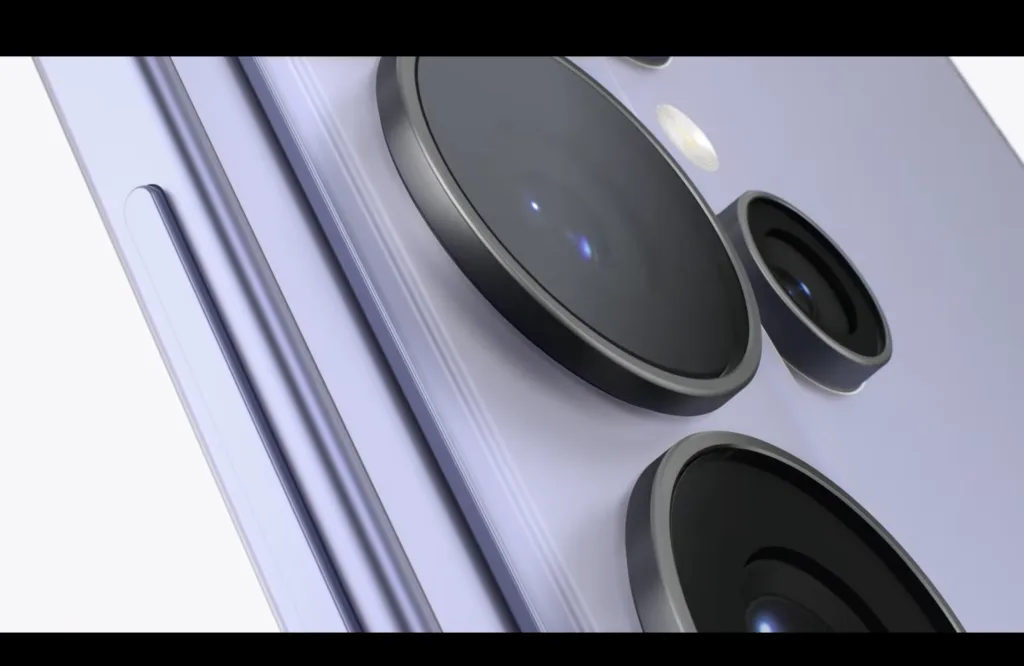
Η Samsung ίσως σε κάνει να αγοράσεις το Galaxy S27 Ultra για αυτή την αναβάθμιση

Ένα δίμηνο γεμάτο αθλητισμό στην Αιγιάλεια